

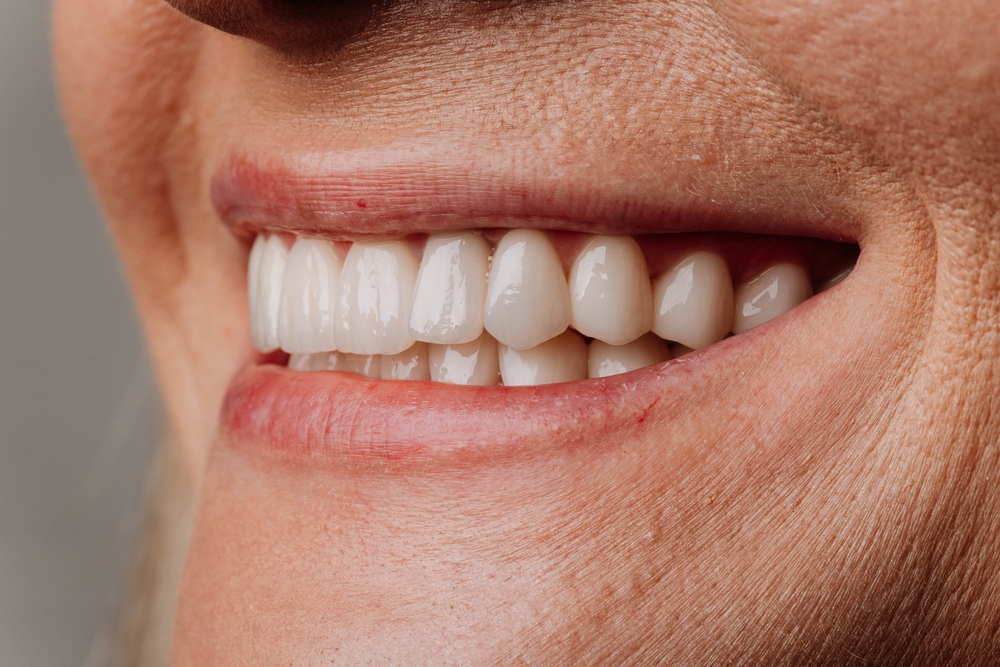
Front implant teeth are dental implants placed to replace one or more missing front teeth. They matter a lot for how you look, speak, and bite. This post explains what front implant teeth are, who makes a good candidate, the main treatment options, typical costs, risks and lifespan, basic care, and key questions to ask. You’ll get a quick picture of what to expect and next steps.
What Are front implant teeth?
A dental implant is a titanium screw placed in the jaw that acts like a root. An implant crown attaches to an abutment on that implant and replaces the visible front tooth. For front implant teeth, the shape, color, and gum contours matter more than back teeth because they affect your smile and speech. Proper planning helps the tooth look natural and lets you speak clearly.
Who Is a Good Candidate for front implant teeth?
Good candidates are in generally good health, with controlled chronic conditions. Adequate bone and healthy gums at the site are important; if bone is thin from long‑term tooth loss, a graft may be needed. Smoking can slow healing and increase risk. Candidates should have realistic esthetic expectations and be willing to commit to home care and follow‑up visits.
Options for front implant teeth
Single‑tooth implant and crown
This is the usual choice for one missing front tooth. All‑ceramic crowns (zirconia or layered porcelain) offer the best natural look and translucency to match neighboring teeth.
Implant‑supported bridge
When two or more adjacent front teeth are missing, an implant‑supported bridge can use fewer implants to hold multiple crowns. This reduces cost and surgery while still restoring a natural smile.
Provisional and immediate temporaries
Temporary crowns or removable options keep your appearance while the implant heals. In some cases, an immediate temporary crown can be placed the same day for esthetics, but it must avoid heavy biting forces.
Costs of front implant teeth
Typical price components
Costs include the implant body, abutment, final crown, CBCT imaging, lab work, and any grafting or tooth removal. Digital scans and custom milling can add value and accuracy.
What raises or lowers cost
Bone grafts, the number of implants, and premium crown materials raise cost. Clinician experience and on‑site lab work can affect price and turnaround. Many offices offer financing, and some restorations include limited warranties.
Risks, longevity, and expected outcomes for front implant teeth
Implant success rates are high—often over 95%—but front teeth carry esthetic risks like gum recession and color mismatch. Possible complications include infection, implant failure, or cosmetic issues requiring revision. With good care, implants can last decades, though crowns may need replacement sooner.
Caring for front implant teeth
Daily home care
Brush twice daily, use floss threaders or interdental brushes around the implant, and avoid biting hard items. Don’t smoke and limit staining foods to maintain color match.
Professional follow‑up
Regular cleanings and exams, plus periodic x‑rays or CBCT scans when needed, help monitor bone and gum health and catch issues early.
Questions to ask before getting front implant teeth
Ask about the doctor’s implant training and success rates, use of CBCT and digital planning, on‑site lab capabilities, timeline, materials, detailed cost breakdown, financing, and any warranties.
Why choose White Wolf Dental Group for front implant teeth in Port Orange, FL
White Wolf Dental Group in Port Orange, FL offers CBCT imaging, digital scans, and an on‑site lab for custom milling. The team’s implant and restorative training helps deliver predictable esthetic results and efficient care for front implant teeth in Port Orange, FL.
Next steps: consultation and treatment planning for front implant teeth
Schedule a consult to review options, view before/after cases, and get a personalized cost estimate and care plan. A thoughtful plan will balance esthetics, function, and long‑term health.