

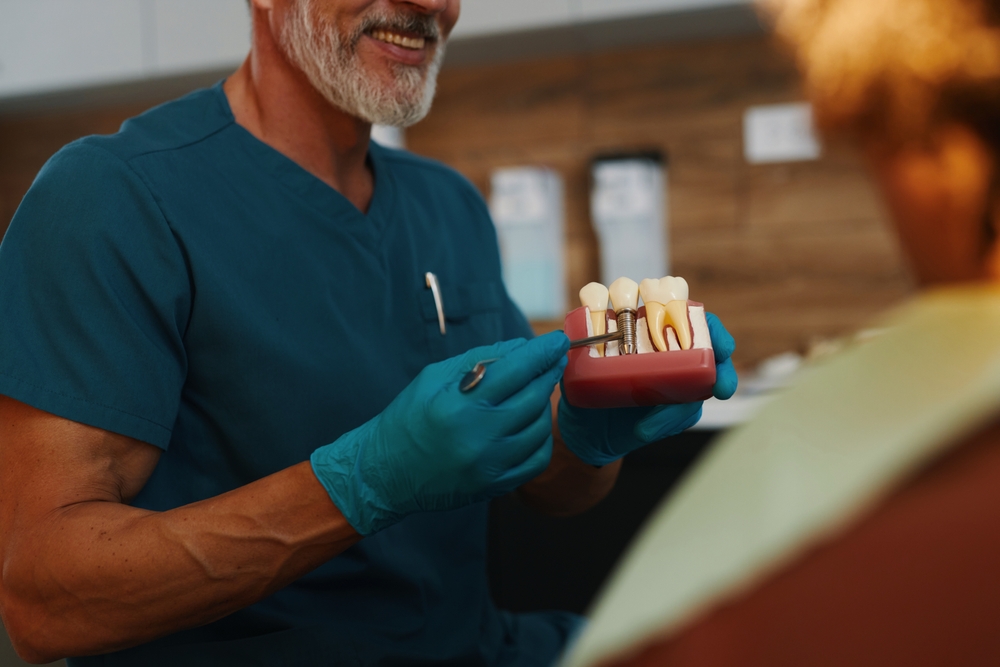
Dental implant surgery is a transformative step in restoring your smile, and abutment placement is a crucial phase of this journey. It forms a sturdy foundation that connects the dental implant to your new tooth, ensuring stability and functionality. Understanding what to expect during this procedure can ease any concerns and help you feel more prepared.
Understanding Abutment Placement
The abutment acts as a connector between a dental implant and the restoration. Often made from titanium, this component plays a pivotal role in providing a secure base for your artificial tooth. Abutment placement is typically performed after the initial implant surgery has had time to heal, ensuring the implant is well-integrated with your jawbone.
Preparations Before Abutment Placement
Before proceeding with abutment placement, Dr. Kulaga uses advanced digital imaging to evaluate your specific needs and plan your treatment carefully. You’ll receive detailed guidance on the pre-surgery process, which might include an examination of your healing progress from the initial dental implant surgery.
At White Wolf Dental, we prioritize your comfort. Our team ensures you’re fully informed about the anesthesia options available, whether local anesthesia or conscious sedation, aiming to make your experience as stress-free as possible.
The Abutment Placement Process
During the abutment placement procedure, the gum is gently opened to expose the dental implant. The abutment is then carefully attached, and the gum tissue is secured around it, which may require a few stitches. This step is generally straightforward and minimally invasive.
While you may feel some pressure, rest assured that any discomfort is typically mild and well-managed by our expert team throughout the process.
Aftercare for Optimal Recovery
Post-surgery, you’ll receive specific instructions to care for the abutment site, which may include using a special mouthwash and eating soft foods temporarily. Healing time can vary, but most patients heal within a few weeks, during which slight swelling and tenderness are normal.
Keep an eye out for signs of infection, such as persistent pain, swelling, or bleeding, and contact us immediately if they occur. Regular follow-up visits will help ensure your recovery is on track.
When to Contact White Wolf Dental
If you have any concerns following your abutment placement, or if you experience any unusual symptoms, don’t hesitate to get in touch with us. Regular follow-ups are essential, and our team is here to support you throughout your dental implant journey.
At White Wolf Dental, our community-centered approach means we’re dedicated to personalized, comprehensive care. If you’re considering dental implants or have questions about abutment placement, schedule a consultation. Our implantologist, Dr. Kulaga, will work closely with you to create a custom treatment plan tailored to your needs.