

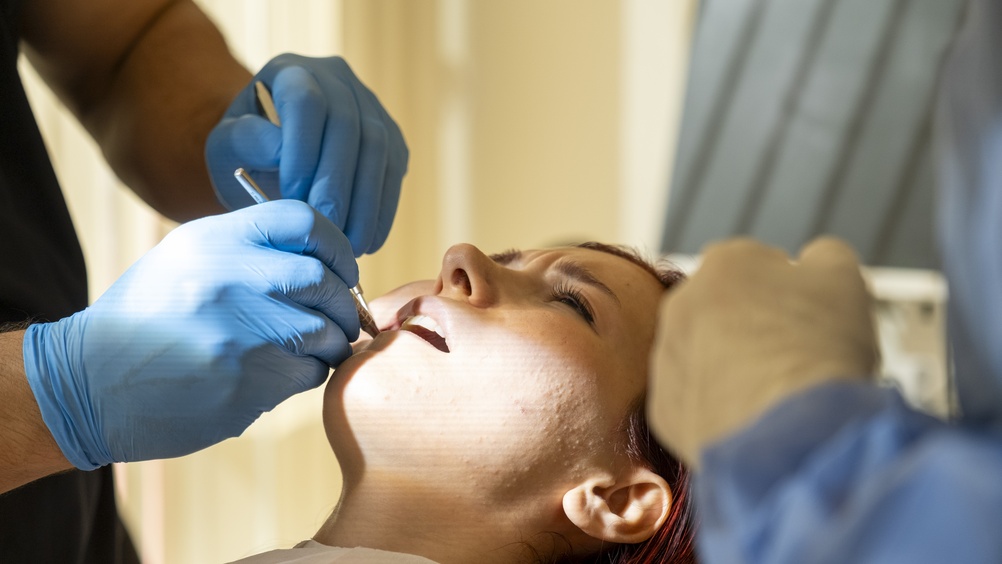
A surgical dental implant is a titanium post placed into the jawbone to replace a missing tooth root. It supports a crown, bridge, or full-arch restoration and can restore chewing, speech, and confidence. A surgical dental implant Port Orange, FL may be recommended for people with one or more missing teeth, but the process includes planning, the surgical placement, and a recovery period while the bone fuses to the implant.
When Is a Surgical Dental Implant Recommended?
A surgical dental implant is commonly recommended for single-tooth replacement, multiple missing teeth with implant-supported bridges, or full-arch reconstruction. Good candidates have healthy gums, adequate bone, and controlled medical conditions. Patients who smoke heavily, have uncontrolled diabetes, or severe bone loss may need extra preparation—like quitting smoking, medical clearance, or bone grafting—before a surgical dental implant will be safe and predictable.
How We Plan a Surgical Dental Implant
Clinical exam and medical review
We review your health history, current medications, and perform an oral exam to find risks and plan care. This step identifies infections, gum disease, or medications that affect healing so the team can reduce complications before placing a surgical dental implant.
Advanced imaging and digital scans
CBCT 3D imaging and digital impressions map your jaw, nerve positions, and sinus spaces. This lets the team plan the exact implant angle and depth to avoid nerves and optimize strength. Digital workflows improve accuracy and speed for your surgical dental implant Port Orange, FL plan.
Step-by-Step: During the Surgical Dental Implant Procedure
Anesthesia and patient comfort
You’ll get local anesthesia and can often choose conscious sedation or nitrous oxide for extra comfort. Most patients feel pressure during drilling but not sharp pain. The team monitors you and adjusts sedation to keep you relaxed.
Placing the implant
The surgeon makes a small incision, drills a precise hole, and inserts the titanium implant into the bone. The gum is sutured closed or around a healing cap. The implant sits in the bone and begins the healing process called osseointegration.
When bone grafts or sinus lifts are needed
If bone is thin or the sinus is low, a bone graft or sinus lift may be needed. Sometimes grafting is done the same day as implant placement; other times it’s staged and allowed to heal first. Grafting affects the timeline but increases long-term success.
Immediate vs Staged Approaches for a Surgical Dental Implant
Immediate placement and temporary crowns can be done the same day in select cases for better aesthetics and shorter treatment time. A staged approach waits for full bone healing before adding the final restoration, which can increase predictability for complex cases. Discuss risks and benefits of each option for a surgical dental implant in Port Orange, FL with your dentist.
Recovery: What to Expect After a Surgical Dental Implant
Expect mild to moderate swelling and soreness for a few days; pain is usually managed with over-the-counter or prescribed meds. Eat soft foods, avoid smoking, and keep the area clean. Follow-up visits check healing, remove stitches if needed, and monitor integration. Full bone integration typically takes 3–6 months before the final crown or bridge is attached.
Risks and How Complications Are Managed
Risks include infection, nerve irritation, sinus problems, and implant failure. Watch for persistent pain, swelling, fever, or numbness and contact your provider. Early signs are treated with antibiotics, cleaning, or, rarely, implant removal and replacement after healing.
Why Choose a Practice With On‑Site Lab and CBCT for Your Surgical Dental Implant
A team with CBCT imaging, digital scans, and an on-site lab streamlines planning and makes same-day restorations more accurate and faster. White Wolf Dental Group’s clinicians use these technologies and combined implant and restorative experience to coordinate care, reduce visits, and improve outcomes for surgical dental implant Port Orange, FL patients.
Preparing For Your Consultation About a Surgical Dental Implant
Bring your medical history, list of medications, and any recent dental records or x-rays. Ask about the imaging used, timelines, sedation options, grafting needs, warranties, and financing. Clear answers will help you evaluate treatment and feel confident about moving forward with a surgical dental implant.