

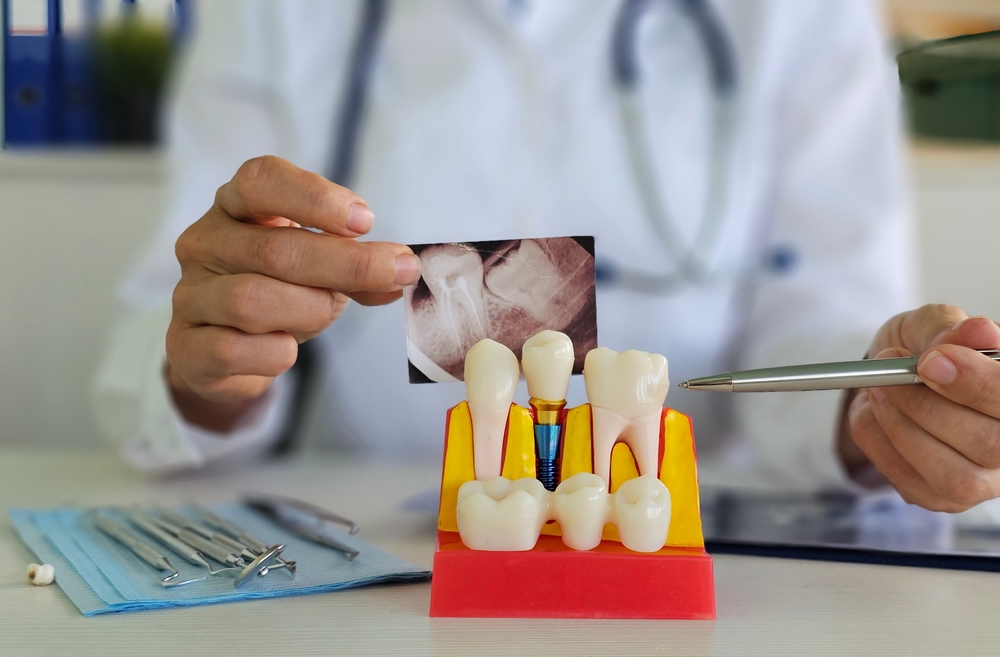
The dental implantation procedure replaces missing teeth with a titanium post, an abutment, and a crown to restore function and appearance. This short guide covers what implants are, who makes a good candidate, the step‑by‑step process, recovery time, risks and benefits, technology that helps outcomes, what to expect at White Wolf Dental, and next steps for a consult.
What is the dental implantation procedure?
A dental implant includes three main parts: the implant body (a titanium screw placed in the jaw), the abutment (a connector), and the crown or prosthesis that looks like a tooth. Implants aim to replace one or more missing teeth, preserve jawbone, and restore normal chewing. Many patients choose implants over bridges or dentures for durability and a more natural feel.
Who is a good candidate?
Simple checklist: – Healthy gums and good oral hygiene. – Sufficient jawbone to hold an implant or willingness to have grafting. – Non‑smoker or prepared to quit during healing. – Medical conditions like diabetes are controlled. Some patients need extra treatments first, such as bone grafts or a sinus lift, to create a stable foundation.
Step-by-step: the dental implantation procedure
Consultation and planning
The first visit includes a mouth exam, X‑rays or CBCT 3D imaging, and digital scans. The team reviews medical history and creates a personalized plan with timing, costs, and any grafting or extractions needed.
Surgery: placing the implant
Implant surgery is usually done with local anesthesia and optional sedation. The dentist opens the gum, places the implant into the bone, and closes the site. Patients receive post‑op instructions, mild pain control, and short‑term antibiotics when indicated.
Healing and osseointegration
Bone slowly bonds to the implant in a process called osseointegration. This takes weeks to several months depending on health and whether grafting was done. During this time you may have a temporary crown or denture.
Abutment and final restoration
After healing, the abutment is attached and final impressions or digital scans are taken. The permanent crown, bridge, or full‑arch prosthesis is then placed and adjusted for fit and bite.
How long does the dental implantation procedure take?
A single implant placement appointment is often under two hours. Total treatment can range from 3–6 months for a single tooth, and 6–12+ months for multiple implants or full‑arch cases if grafting is needed. Medical clearance, healing speed, and lab times affect timing.
Risks, common complications, and how they’re managed
Risks include minor infection, implant failure, or nerve/sinus irritation. Careful planning with CBCT, antibiotics when appropriate, sterile technique, and follow‑ups reduce risks. If complications occur, treatments may include antibiotics, revision surgery, or referral to a specialist.
Benefits vs. alternatives (bridges, dentures)
Implants preserve bone, offer better chewing force, and last longer than removable dentures or bridges. Bridges may affect adjacent teeth; dentures can slip and need daily removal. Implants require similar home care to natural teeth and periodic dental checkups.
Technology that improves outcomes
CBCT 3D imaging, digital scans, guided surgical guides, and on‑site milling cut errors and speed delivery. These tools improve accuracy, comfort, and turnaround time for restorations.
What to expect at White Wolf Dental
At White Wolf Dental in Port Orange, FL, implant care uses CBCT, digital workflows, and an on‑site lab to streamline planning and restorations. The doctors combine implant, periodontics, and prosthodontic training for coordinated care with a focus on comfort and clear communication.
Next steps and patient tips
Before your consult, list medications, prepare questions about timeline and costs, check insurance or financing, and plan to stop smoking for healing. If you’re ready to learn if an implant is right for you, book a consultation to discuss the dental implantation procedure and your treatment options.